Products
Mould Removal Products: Types, Uses and Safety
From sprays to anti-mould paints, there is a product for every stage of tackling mould. Here is what each type does, how to use it safely, and why the real fix is moisture control.
Disclosure: Some links may be affiliate links. If you buy through them we may earn a commission at no extra cost to you. This never affects which products we feature. Recommendations are based on published specifications and research, not hands-on lab testing. See our affiliate disclosure.
In short
Mould removal products fall into a few categories: cleaning sprays and washes that kill and lift surface mould, anti-mould additives and paints that help resist regrowth, and barrier treatments for porous surfaces. They are useful for cleaning up existing mould, but removal only lasts if you fix the underlying moisture problem. Always ventilate, protect skin, eyes and lungs, and never mix cleaning chemicals.
Key takeaways
- Products split into cleaners/washes, anti-mould paints and additives, and specialist treatments.
- Cleaning removes existing mould; it does not fix the damp that caused it.
- Ventilate well and wear gloves, eye protection and a suitable mask when treating mould.
- Never mix cleaning products, especially bleach with other chemicals.
- For extensive growth or health concerns, get professional advice.
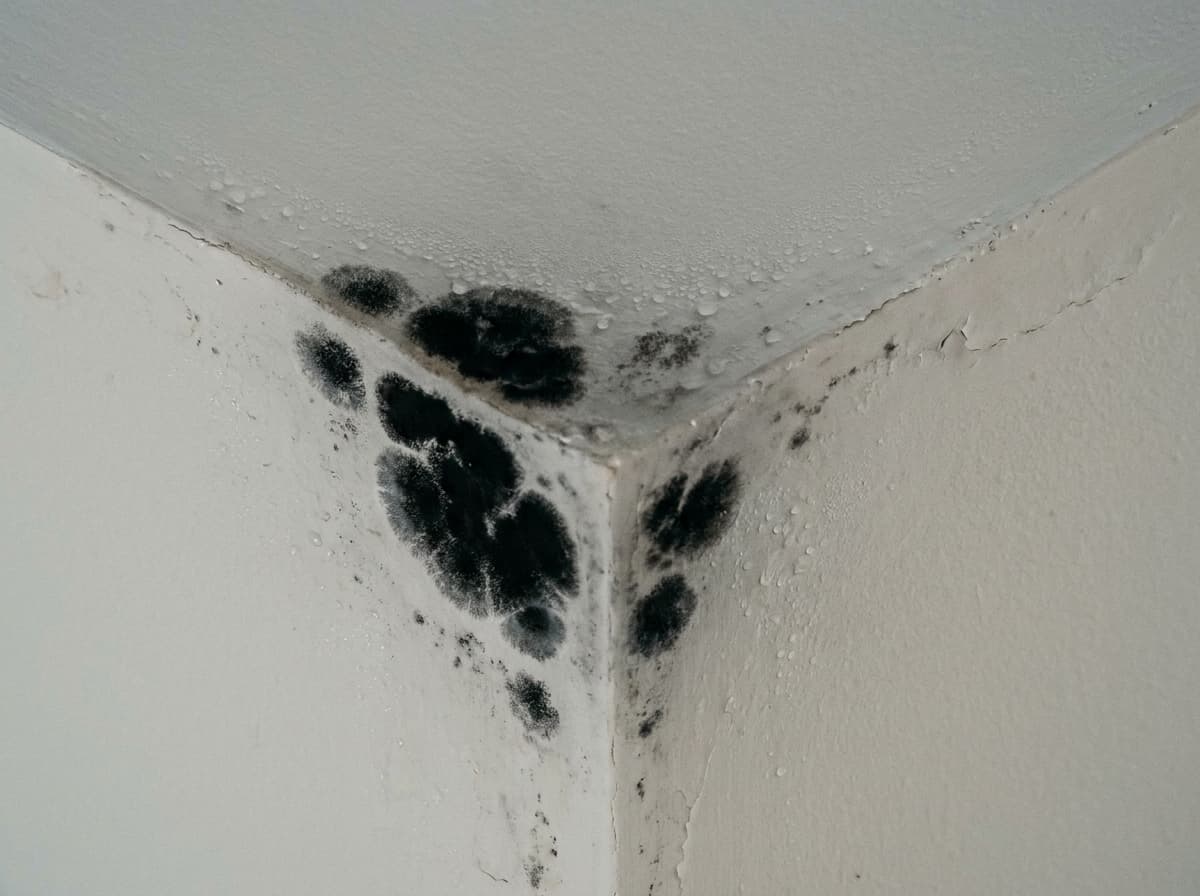
There is no shortage of mould removal products on the shelf, but they do different jobs and none of them addresses the real cause. Cleaning mould away matters, yet it is only step one — if the moisture that fed the mould is still there, it will come back.
This guidance is based on published specifications and general research, not our own testing.
The main types of product
Cleaning sprays and washes
These are the products most people reach for first. They are designed to kill and lift surface mould from hard surfaces such as tiles, grout, sealant and painted walls. Some are bleach-based (effective on white surfaces but can mark fabrics and need good ventilation), while others use alternative biocides that may be gentler on finishes. Follow the dwell time on the label — the product usually needs to sit for several minutes to work.
Anti-mould paints and additives
Once a surface is clean and dry, an anti-mould paint or a mould-resistant additive mixed into ordinary paint can help slow regrowth on walls and ceilings. They are a useful finishing step, but they are not a substitute for fixing ventilation and heating — paint over a cold, damp wall and the mould will often return through it.
Specialist and barrier treatments
Some products are aimed at porous surfaces, sealant renewal (mouldy bathroom sealant is often best cut out and replaced rather than cleaned), or fabrics. Use these for their stated purpose and follow the instructions closely.
| Product type | What it does | Where it helps |
|---|---|---|
| Cleaning spray / wash | Kills and lifts surface mould | Tiles, grout, sealant, painted walls |
| Anti-mould paint / additive | Resists regrowth after cleaning | Walls and ceilings, once dry |
| Sealant replacement | Removes mould embedded in old sealant | Bathroom and kitchen seals |
This compares categories by purpose and intended use — no scores or prices.
Using mould products safely
Important
Never mix cleaning products together — combining bleach with other chemicals (such as ammonia-based cleaners) can release dangerous gases. Use one product at a time and rinse between products if needed.
When cleaning mould:
- Ventilate the room — open a window and keep the door to the rest of the home closed so you do not spread spores.
- Protect yourself with rubber gloves, eye protection and a suitable mask (an FFP-rated mask for anything more than a tiny patch).
- Avoid disturbing it dry — brushing or hoovering dry mould sends spores into the air. Dampen it or use a spray first.
- Bin cloths and sponges afterwards rather than reusing them.
- Dry the area thoroughly once cleaned.
If anyone in the home has asthma, a weakened immune system or a respiratory condition, be extra cautious and consider getting the work done professionally.
Why removal alone is not enough
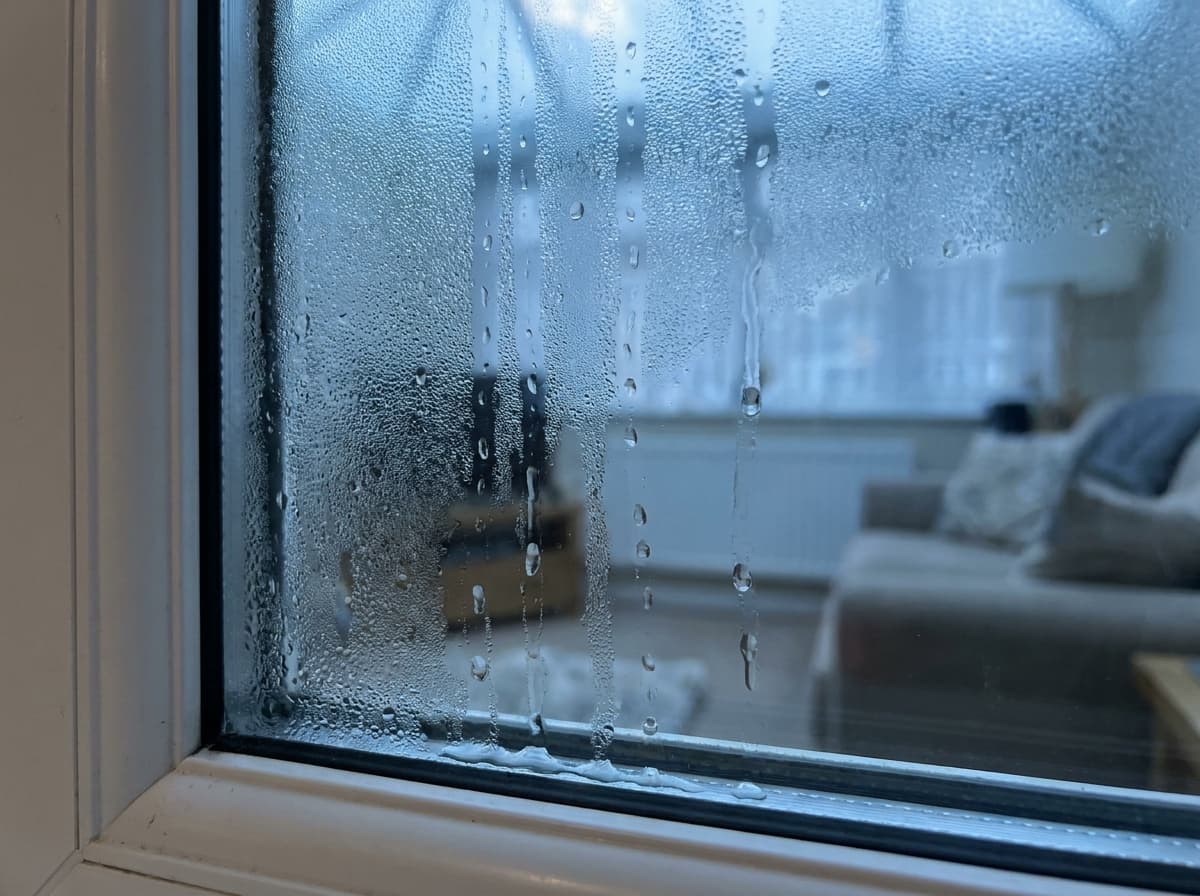
Cleaning mould treats the symptom. Unless you reduce the moisture feeding it — through better ventilation, consistent heating, managing indoor humidity and fixing any leaks — it will keep returning to the same cold, damp spot. Use the mould risk checklist to find the weak points in your home, and follow our full guide on how to remove mould for the complete method.
This is general guidance
Product choice and safe use depend on the surface, the extent of the growth and the product's own instructions, which always take precedence. For large areas (as a rough guide, more than about a square metre) or any health concern, seek professional help rather than tackling it yourself.
Try a related tool
Frequently asked questions
There is no single best product — it depends on the surface. A mould-cleaning spray or wash suits hard surfaces like tiles and painted walls, while mouldy sealant is often best cut out and replaced. Whatever you use, follow the label's dwell time, ventilate well and fix the underlying damp, or the mould will return.
Sources
- NHS: Can damp and mould affect my health? · UK · accessed 27 October 2026
DampSense Editorial Team
Research & editorial
Our editorial team researches UK building-moisture topics using government guidance, public-health sources and established building-science references. We write to help homeowners and tenants make informed decisions, and we flag where professional assessment is needed.
Credentials & limitations: Research-led editorial team. We are not chartered surveyors; our guides are general information, not a professional building survey.