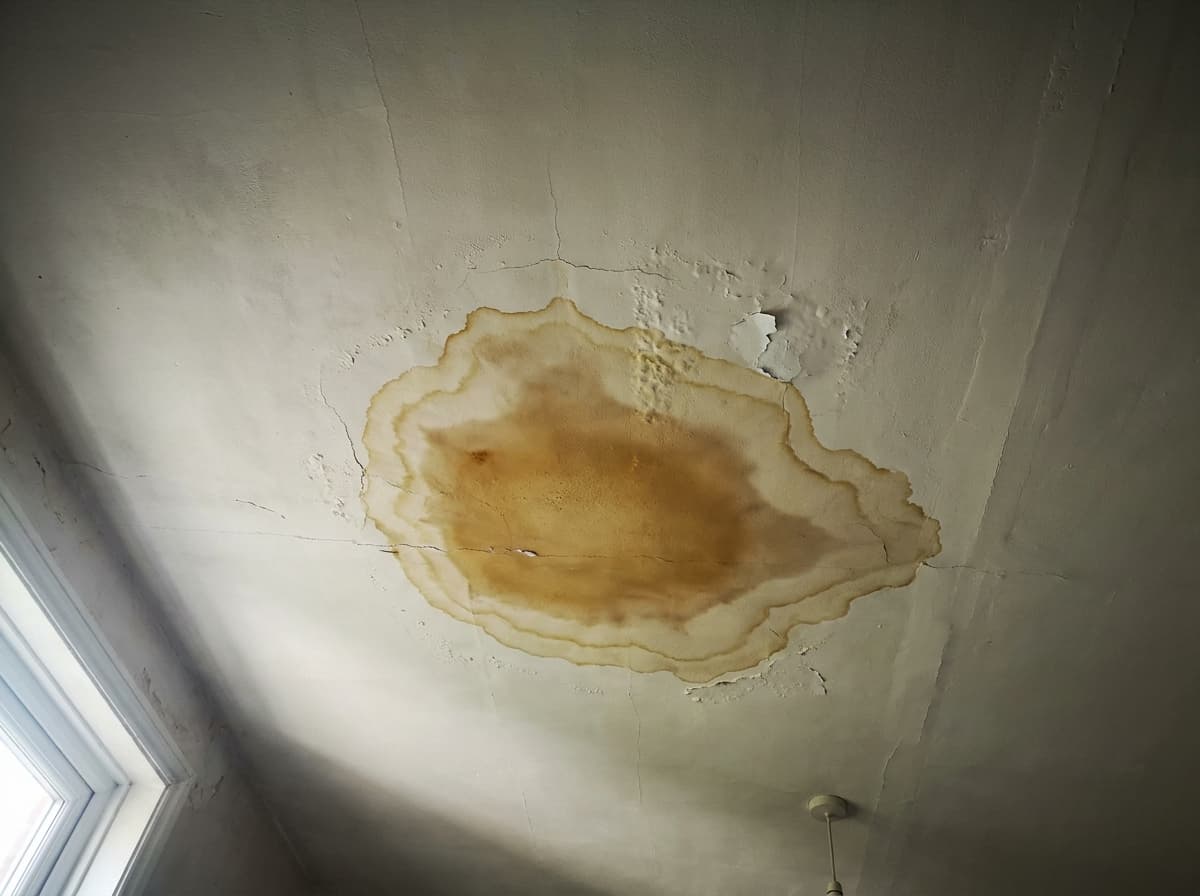
Damp
What Is Damp? A Complete Guide for UK Homes
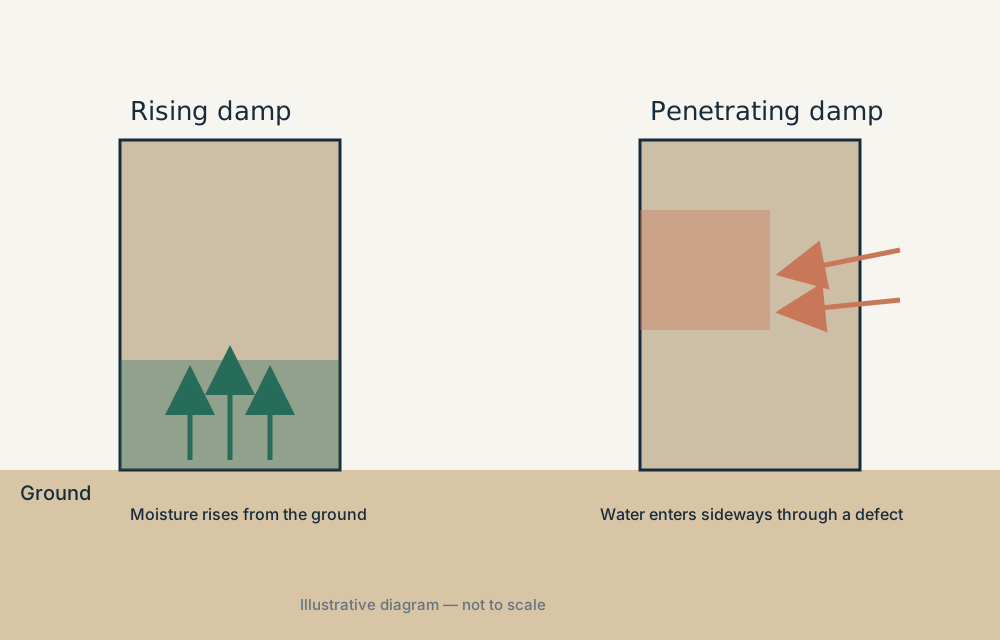
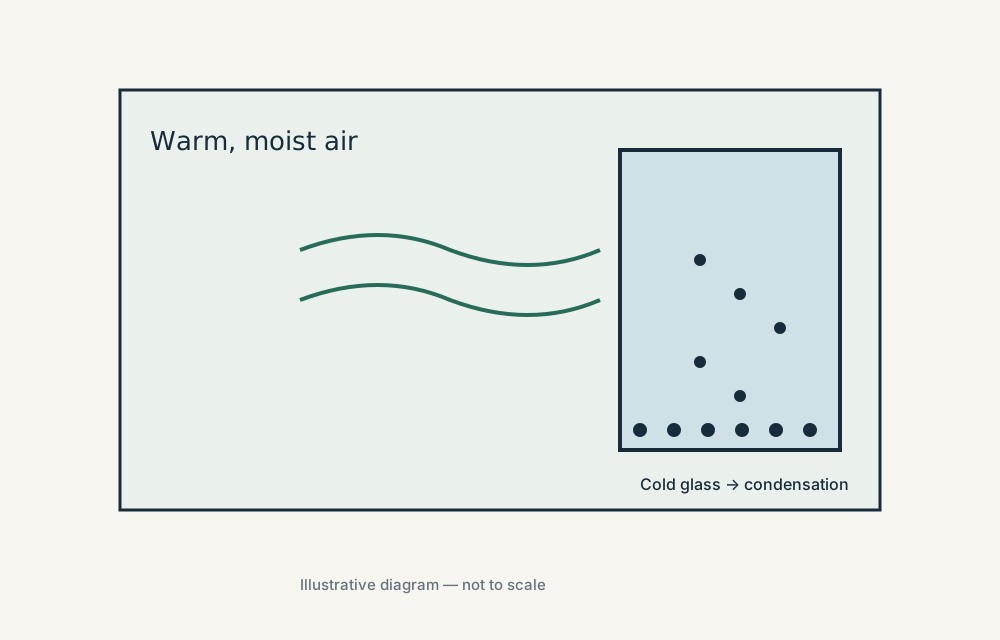
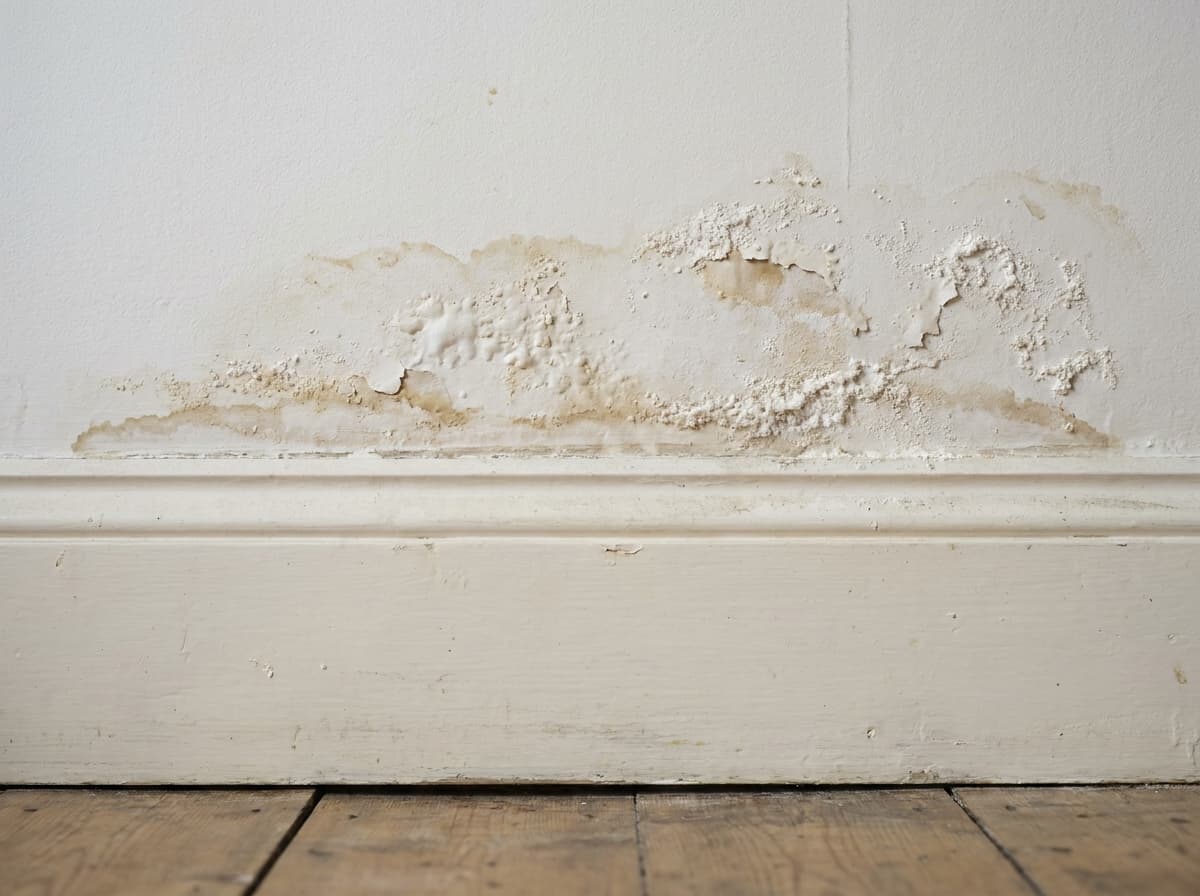
Damp is a catch-all term for unwanted moisture in a building. The three main types in UK homes behave differently — and the right fix depends entirely on which one you have.
Understand what's causing moisture problems in your property, explore possible solutions and make informed decisions about treatment and costs.
Free interactive tools · British English · Sources cited · No diagnosis from a photo
Start here
Pick the symptom that best matches what you are seeing. Each links to a focused topic hub.
Our Damp Diagnosis Assistant asks a short series of questions and uses a transparent, rule-based engine to suggest the most likely causes — and, importantly, the alternatives worth ruling out.
It is a structured starting point, not a professional diagnosis. For extensive or recurring problems, get an independent survey.
Editorial picks
Damp is a catch-all term for unwanted moisture in a building. The three main types in UK homes behave differently — and the right fix depends entirely on which one you have.
A side-by-side comparison of the three main types of damp, the signs of each, and a practical process for identifying which one you have.
Updated 18 October 2026 · 2 min read
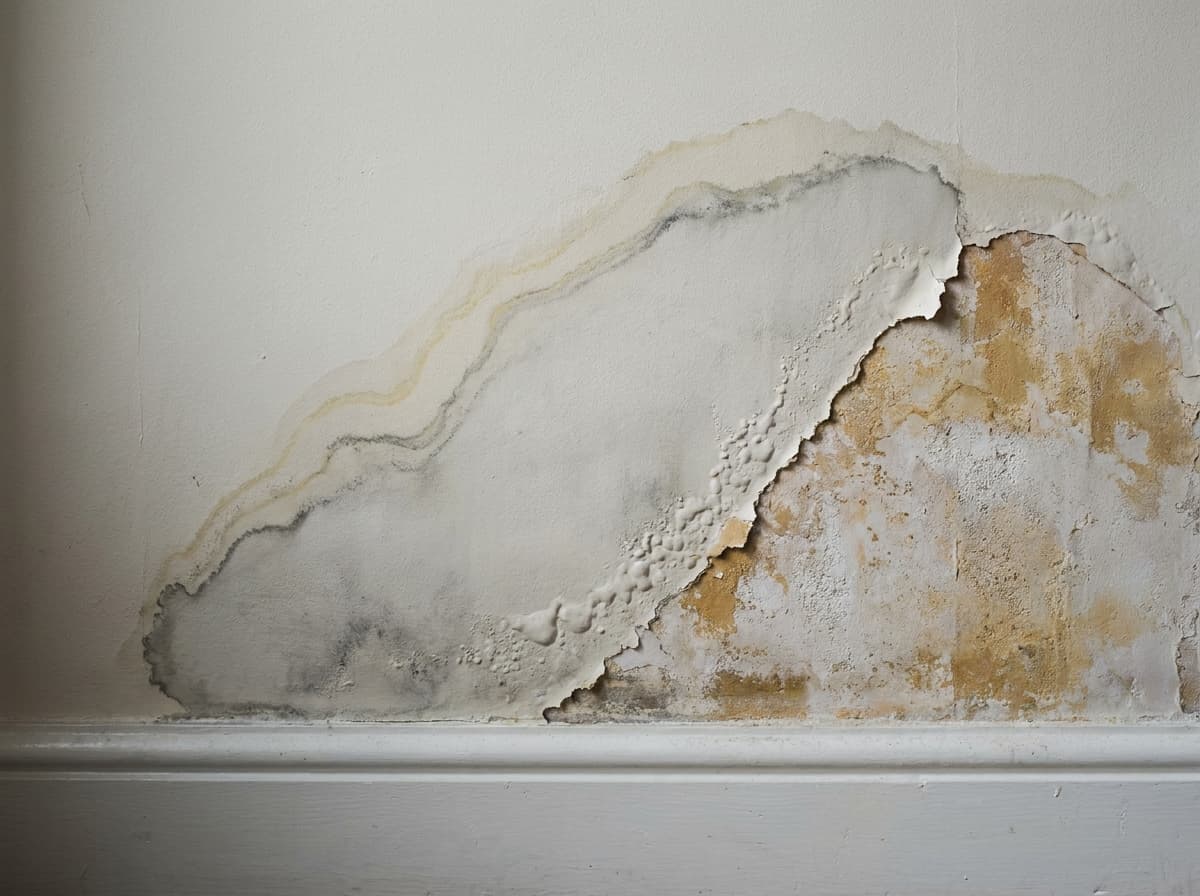
Rising damp is groundwater moving up through the base of a wall. It is a genuine phenomenon, but far rarer than the number of diagnoses suggests.
Updated 18 October 2026 · 3 min read
Live figures are produced by the calculator from editable, dated assumptions. These are estimates, not quotations.
Budget with confidence
Build an indicative low–high budget based on the work involved, affected area and region, using transparent UK pricing assumptions you can see and adjust.
The essentials
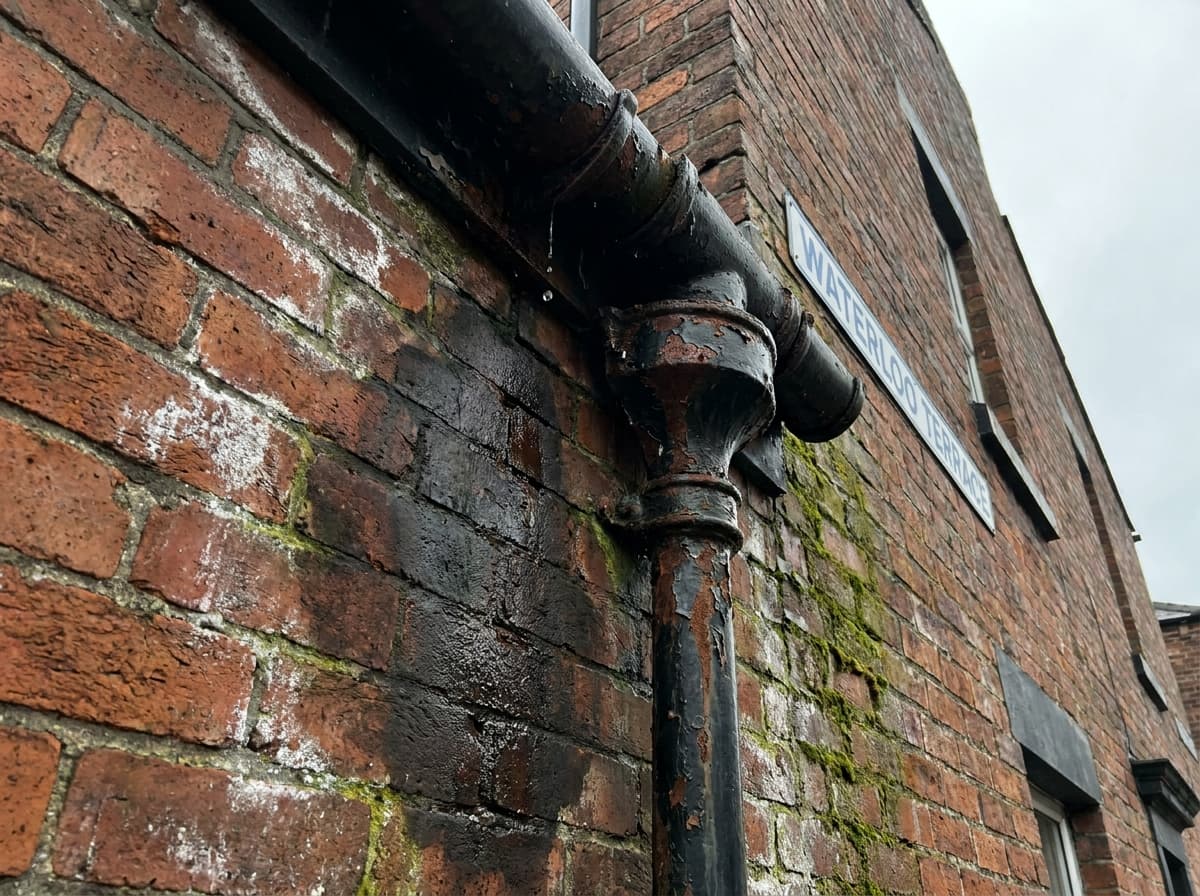
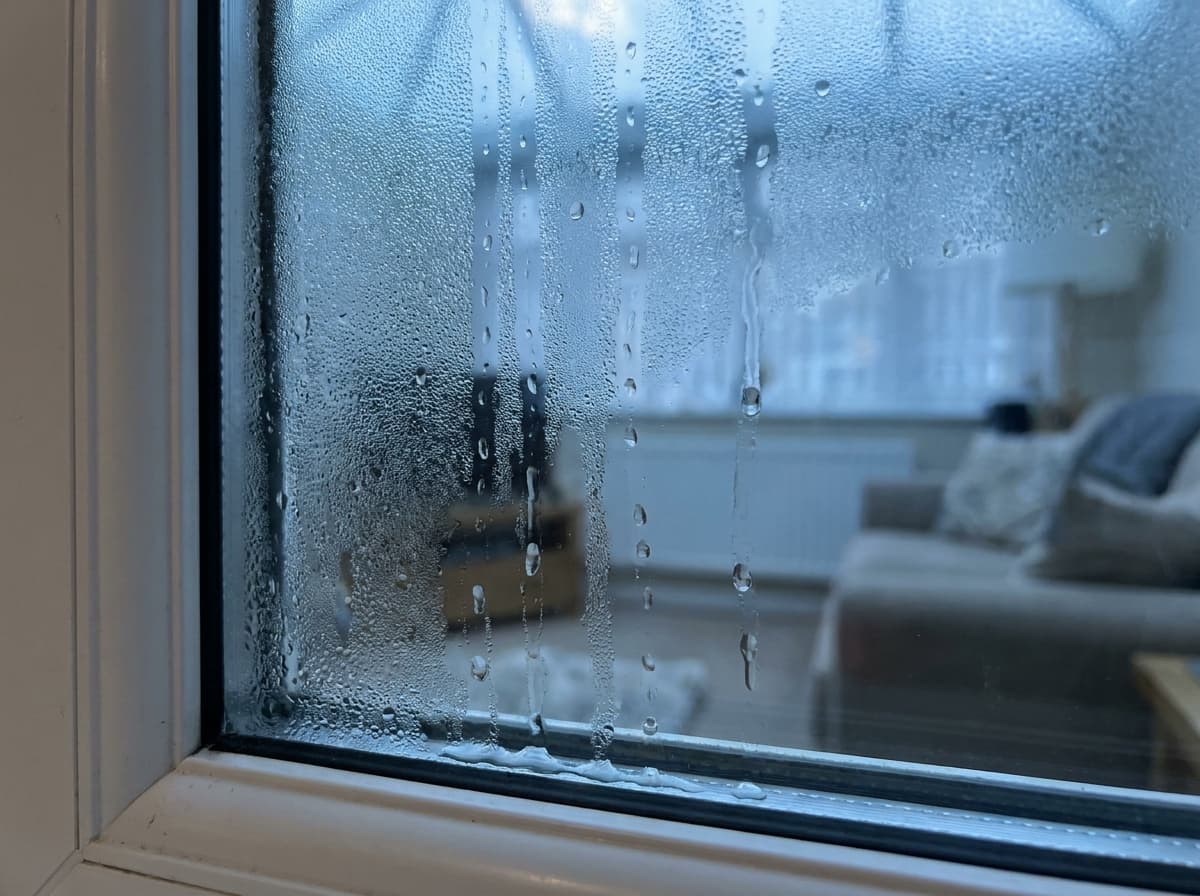
Most UK damp problems are one of these three — and each needs a completely different fix.
Fresh from the team
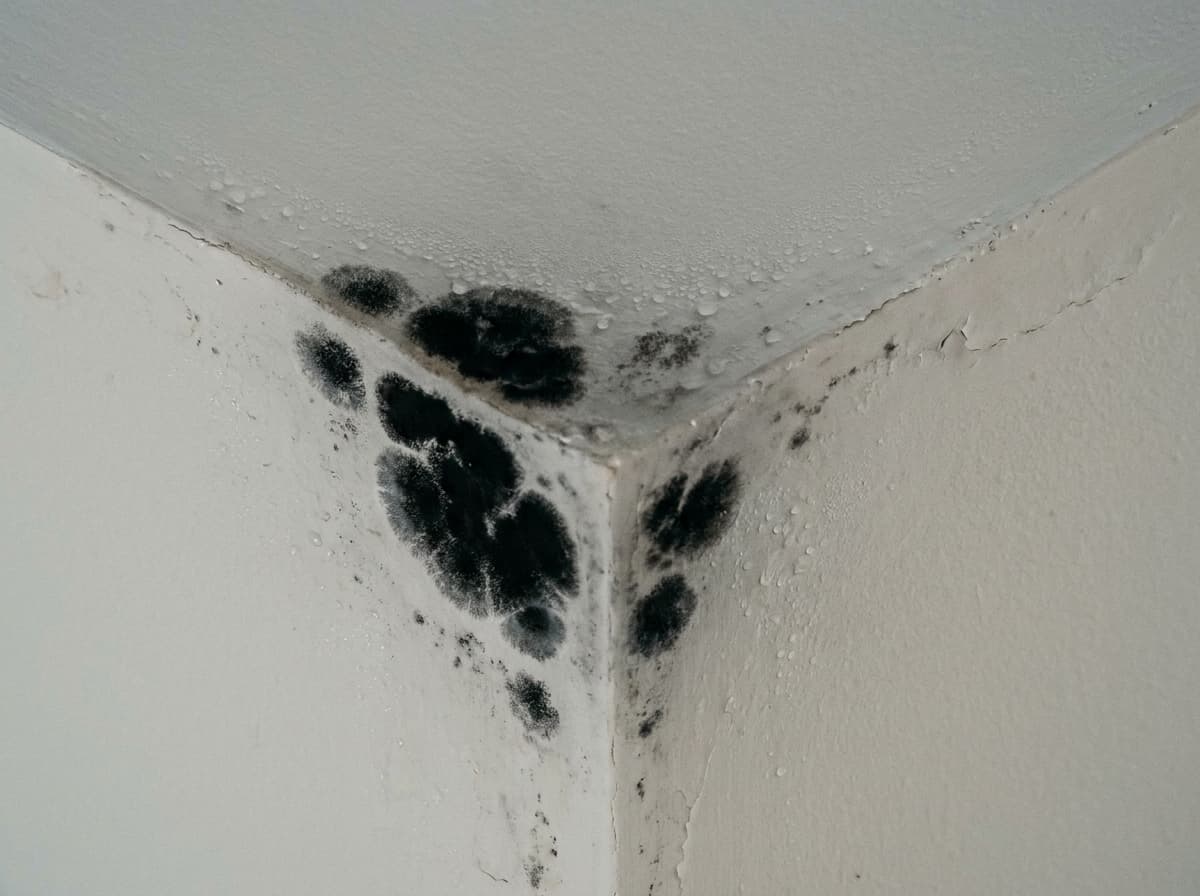
Black mould is a sign that a surface has been damp for too long. Clearing it matters, but the lasting fix is always to find and stop the moisture feeding it.
Updated 27 October 2026 · 4 min read
Removing mould is straightforward if you work safely. But cleaning is only half the job — the mould will return unless you also fix the moisture feeding it.
Updated 27 October 2026 · 3 min read
Mould needs a damp surface to grow. Control moisture, ventilate well and keep surfaces warm enough, and you remove the conditions it depends on.
Updated 27 October 2026 · 3 min read
Bathrooms concentrate moisture in a small space, so they are prime territory for mould. Better ventilation and a few habits make a big difference.
Updated 27 October 2026 · 3 min read
Diagnose the cause, understand your treatment options and get a realistic sense of costs before you call anyone out.
Know your rights, document the problem properly and report damp and mould to your landlord with confidence.
We aim to be genuinely useful and honest about the limits of online advice.
Sourced from trusted bodies
We cite GOV.UK, the NHS, Citizens Advice and recognised building-science guidance, with dates and jurisdictions.
Honest about uncertainty
We flag where a professional survey is needed and never diagnose a problem from a photograph.
No fabricated expertise
We only label content “expert reviewed” when a named, qualified reviewer has checked it.
Clear on money
Costs are indicative estimates with stated assumptions — never presented as independently surveyed quotations.