Mould
The Health Risks of Damp and Mould
Damp and mould can affect health. Here is a careful, sourced summary of what UK public-health bodies say — and the important things they do not claim.
In short
Living in a damp, mouldy home can affect health. According to the NHS and UK Health Security Agency (UKHSA), damp and mould can cause or worsen respiratory problems, allergies and asthma, and can affect the immune system. Some people are more vulnerable — including babies and children, older people, those with existing respiratory or allergic conditions, and people with a weakened immune system. You cannot judge how harmful a mould is from its colour or a photo; the safe response is to remove it carefully and fix the moisture feeding it.
Key takeaways
- Damp and mould can cause or worsen respiratory problems, allergies and asthma (NHS/UKHSA).
- Vulnerable groups — children, older people, those with respiratory/allergic conditions or weakened immunity — may be more affected.
- You cannot identify a mould species or its toxicity from a photo or colour.
- The health response and the practical response are the same: remove mould safely and fix the moisture.
- If you have health concerns, speak to a GP; if you rent, your landlord may have responsibilities.
Damp and mould are not just a decorating nuisance — they are a recognised factor in indoor health. This article sets out, carefully and with sources, what UK public-health bodies actually say, and is deliberately cautious about what they do not claim.
What UK public-health bodies say
According to the NHS, moulds can produce allergens, irritants and, in some cases, substances that may affect health. Breathing in or touching mould can cause or worsen respiratory problems — such as coughing, wheezing and shortness of breath — and can trigger allergic reactions and asthma attacks in people who are sensitive. Living in a damp and mouldy home can also affect the immune system.
UK Health Security Agency (UKHSA) guidance, published on GOV.UK, carries the same broad message: exposure to damp and mould in the home is associated with a range of health effects, particularly affecting the airways and respiratory system, and reducing exposure is important for health.
The honest summary is that damp and mould can affect health and are associated with respiratory and allergic effects. We deliberately avoid claiming that mould definitely causes any specific named illness beyond what these bodies set out.
Who is more vulnerable
NHS and UKHSA guidance both highlight that some people may be more affected by damp and mould than others. These groups include:
- Babies and children
- Older people
- People with existing respiratory conditions, such as asthma, or with allergies
- People with a weakened immune system — for example due to certain illnesses or treatments
If you or someone in your home is in one of these groups, it is sensible to be especially prompt about dealing with damp and mould, and to keep them away from affected areas while mould is being cleaned.
What you cannot tell from looking
Important
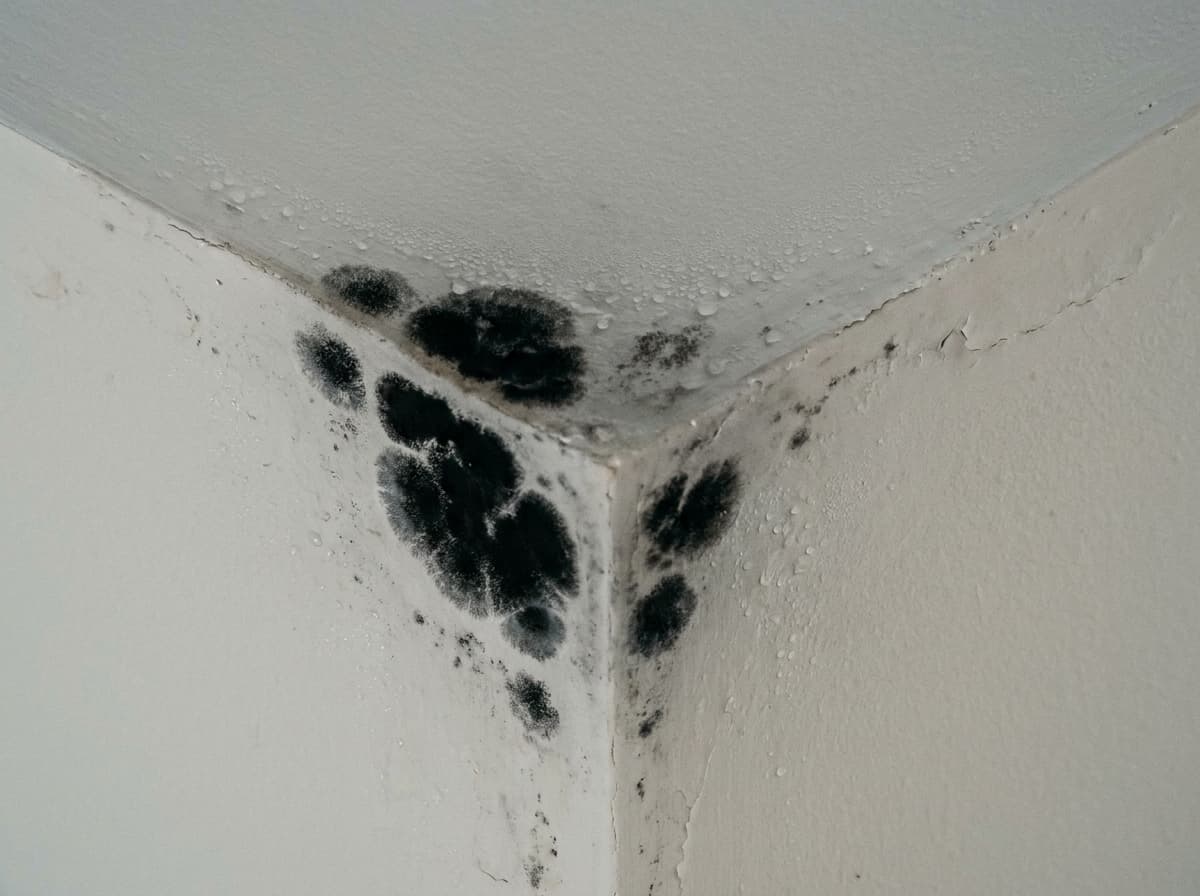
You cannot identify a mould species, or judge how harmful it is, from its colour or from a photograph. "Black mould" and "toxic mould" are everyday labels, not precise descriptions of any one organism, and many different moulds look dark. Do not rely on an online photo comparison, and be cautious of anyone claiming to diagnose a mould's toxicity from an image. The responsible approach is to treat all indoor mould with the same care.
Because you cannot judge the risk by eye, the practical response is the same whatever the mould looks like: remove it safely and remove the moisture that lets it grow.
What to do — for your health and your home
The reassuring part is that the health response and the practical response point in the same direction.
- Reduce your exposure. Keep vulnerable people away from affected rooms, and deal with visible mould promptly.
- Remove the mould safely. Ventilate, wear protective gloves (and ideally a mask and eye protection), and do not brush or disturb dry mould. Our how to remove mould guide has the full method.
- Fix the moisture source. This is what stops it coming back. In most UK homes that means tackling condensation — see how to prevent mould and how to stop condensation.
- Do not just paint over it. Covering mould on a damp surface does not remove the health consideration or the problem.
Note
As general guidance rather than a strict rule, a small patch is usually a safe DIY job, while a large area — often cited as around a square metre or more — or recurring mould is a reason to get professional help, both to resolve the cause and to limit disturbance.
When to seek advice
- See a GP if you are worried that damp or mould may be affecting your health, or that of a vulnerable person in your home — especially with persistent coughing, wheezing or worsening asthma or allergies.
- If you rent, damp and mould may be your landlord's responsibility to address. Report it in writing and keep records.
The bottom line
Damp and mould can affect health, some people more than others, and you cannot judge the risk from appearance. Take it seriously, remove mould carefully, and fix the moisture — that combination protects both your home and the people in it.
Frequently asked questions
Damp and mould can affect health. According to the NHS, they can cause or worsen respiratory problems such as coughing and wheezing, trigger allergic reactions and asthma, and affect the immune system. Some people are more vulnerable than others. If you are concerned about your health, speak to a GP.
Sources
- NHS: Can damp and mould affect my health? · UK · accessed 27 October 2026
- GOV.UK (UKHSA): Understanding and addressing the health risks of damp and mould in the home · England · accessed 27 October 2026
DampSense Editorial Team
Research & editorial
Our editorial team researches UK building-moisture topics using government guidance, public-health sources and established building-science references. We write to help homeowners and tenants make informed decisions, and we flag where professional assessment is needed.
Credentials & limitations: Research-led editorial team. We are not chartered surveyors; our guides are general information, not a professional building survey.