
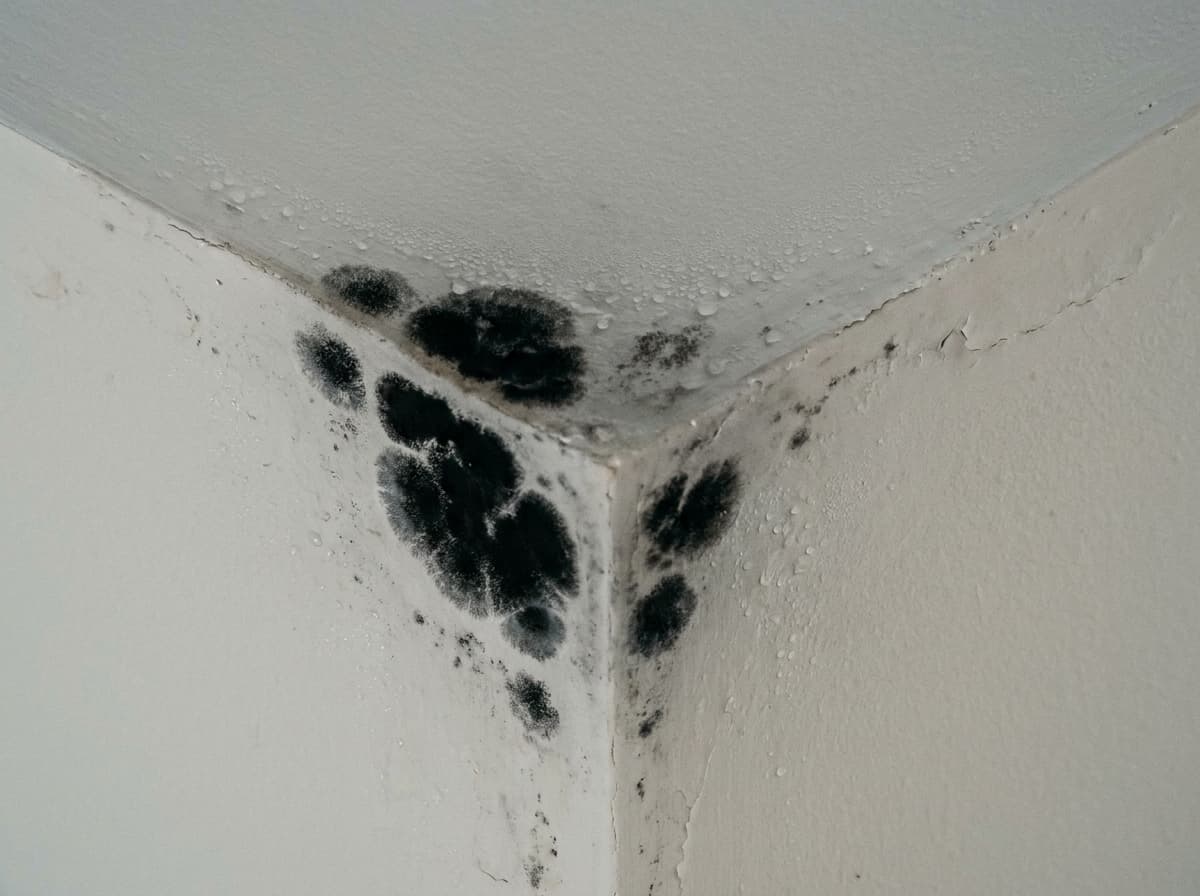
Black Mould in UK Homes: Causes, Risks and What to Do
Black mould is a sign that a surface has been damp for too long. Clearing it matters, but the lasting fix is always to find and stop the moisture feeding it.
Updated 27 October 2026 · 4 min read
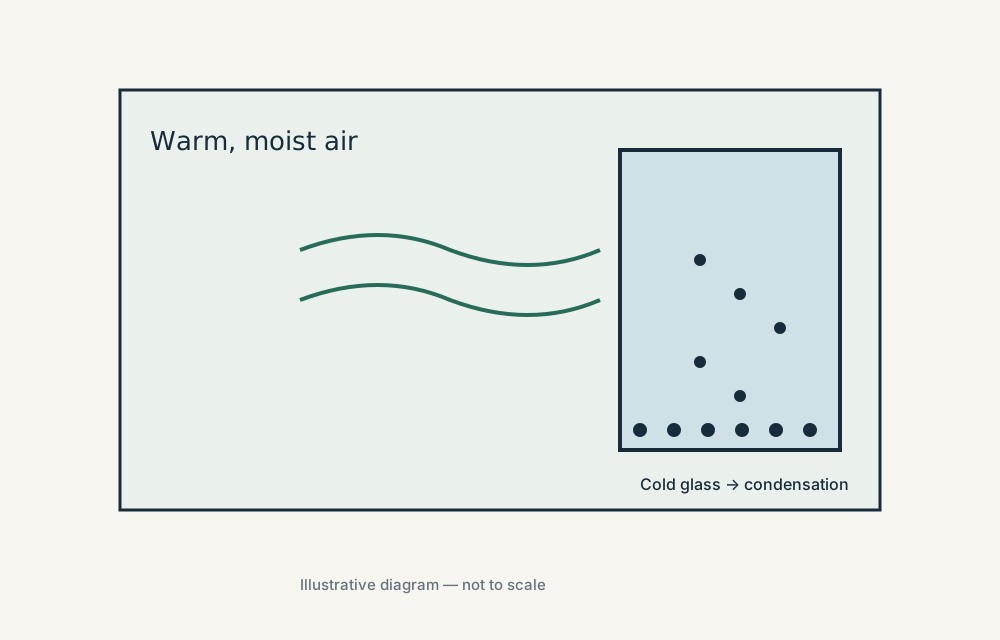
Mould grows where surfaces stay damp for long enough — most often a symptom of condensation or another moisture problem rather than a problem in its own right. Removing the visible growth without fixing the moisture source will not work. Health information on this hub is drawn from UK public-health guidance.
Important
It is not possible to identify a mould species, or its health risk, from a photograph or its colour alone. Health information here is general and sourced from UK public-health bodies.
Black mould is a sign that a surface has been damp for too long. Clearing it matters, but the lasting fix is always to find and stop the moisture feeding it.
Updated 27 October 2026 · 4 min read
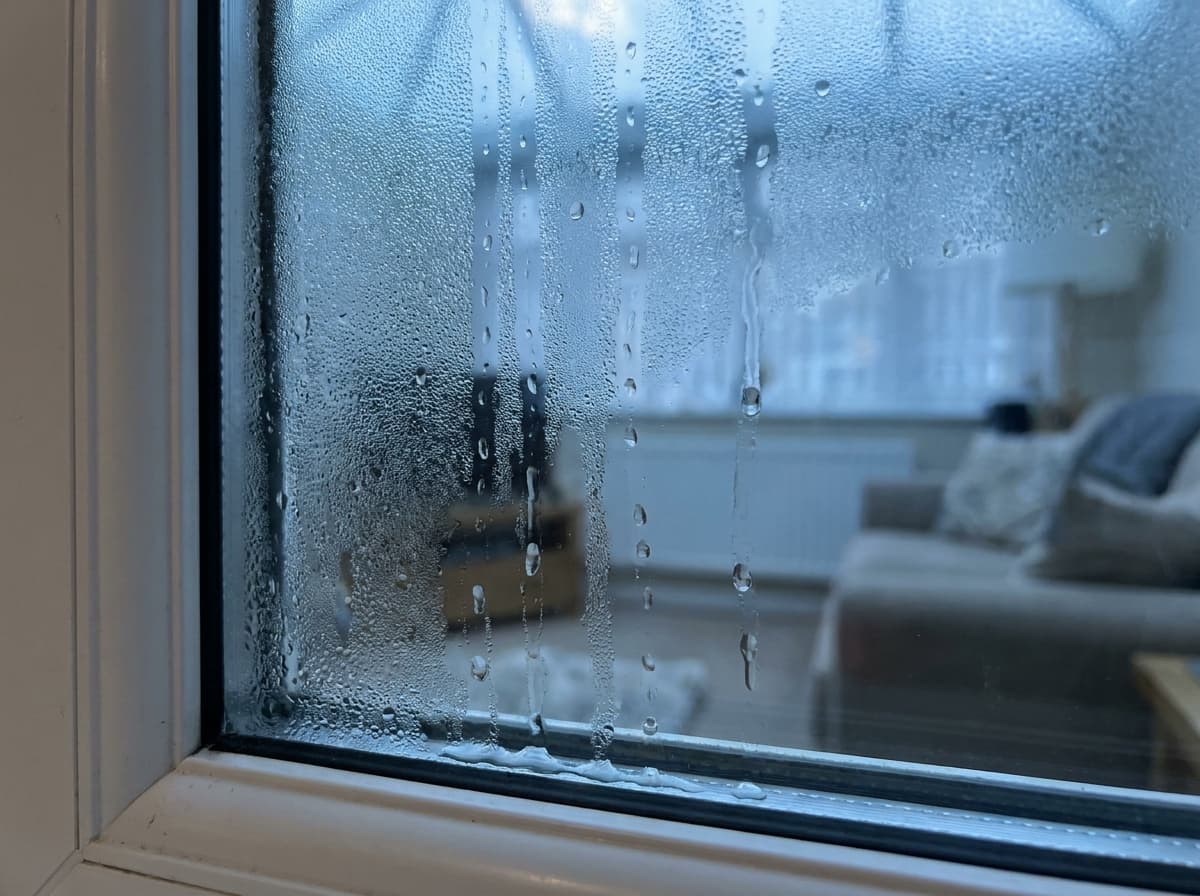
Removing mould is straightforward if you work safely. But cleaning is only half the job — the mould will return unless you also fix the moisture feeding it.
Updated 27 October 2026 · 3 min read
Mould needs a damp surface to grow. Control moisture, ventilate well and keep surfaces warm enough, and you remove the conditions it depends on.
Updated 27 October 2026 · 3 min read
Bathrooms concentrate moisture in a small space, so they are prime territory for mould. Better ventilation and a few habits make a big difference.
Updated 27 October 2026 · 3 min read
Cold external walls, furniture pushed against them and the moisture we breathe out overnight make bedrooms a common home for mould. Small changes help a lot.
Updated 27 October 2026 · 3 min read
Damp and mould can affect health. Here is a careful, sourced summary of what UK public-health bodies say — and the important things they do not claim.
Updated 27 October 2026 · 4 min read