Mould
How to Prevent Mould
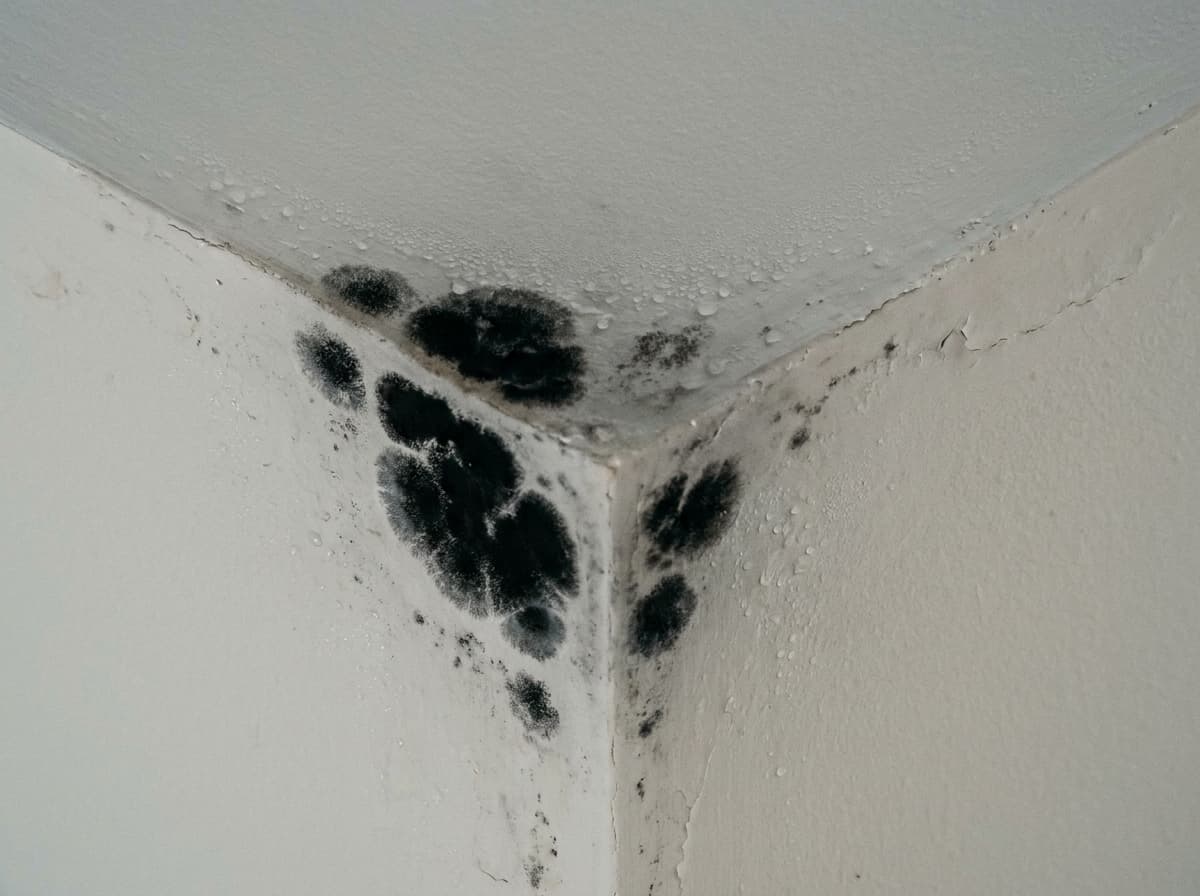
Mould needs a damp surface to grow. Control moisture, ventilate well and keep surfaces warm enough, and you remove the conditions it depends on.
In short
Prevent mould by stopping surfaces from staying damp. In most UK homes that means three things working together: reduce the moisture you produce indoors (cover pans, avoid drying clothes on radiators, use extractor fans), ventilate regularly so moist air leaves the home, and keep surfaces warm enough with steady background heating so condensation does not form. Monitoring indoor humidity helps you see whether it is working.
Key takeaways
- Mould cannot grow without a persistently damp surface — remove the dampness and you prevent it.
- The three levers are reducing indoor moisture, ventilating, and keeping surfaces warm enough.
- Watch for pinch points: behind furniture on cold walls, bathrooms, kitchens and window reveals.
- Tracking indoor humidity (and dew point on cold surfaces) shows whether your changes are working.
Prevention is far easier than cure. Mould needs a surface that stays damp, so if you keep surfaces dry enough it simply cannot establish. In practice that comes down to three things working together: less moisture in the air, more ventilation, and warmer surfaces.
1. Reduce the moisture you produce
Everyday life adds a surprising amount of water to indoor air. Small habits make a real difference:
- Cover pans when cooking and keep lids on, to cut steam.
- Avoid drying clothes indoors where possible. If you must, do it in one room with the door closed, a window ajar or an extractor running — not draped over radiators throughout the home.
- Vent the tumble dryer outside, or use a properly condensing model.
- Shut the bathroom and kitchen doors when showering, bathing or cooking, so moisture does not spread to colder rooms.
2. Ventilate — let the moist air out
Ventilation replaces humid indoor air with drier outdoor air before it can condense:
- Use extractor fans in the bathroom and kitchen, and leave them running for a while after you finish.
- Open windows for a short burst each day, especially after showering, bathing or cooking.
- Do not block trickle vents or permanent air bricks.
- Our dedicated how to stop condensation guide goes into more detail on getting ventilation right.
3. Keep surfaces warm enough
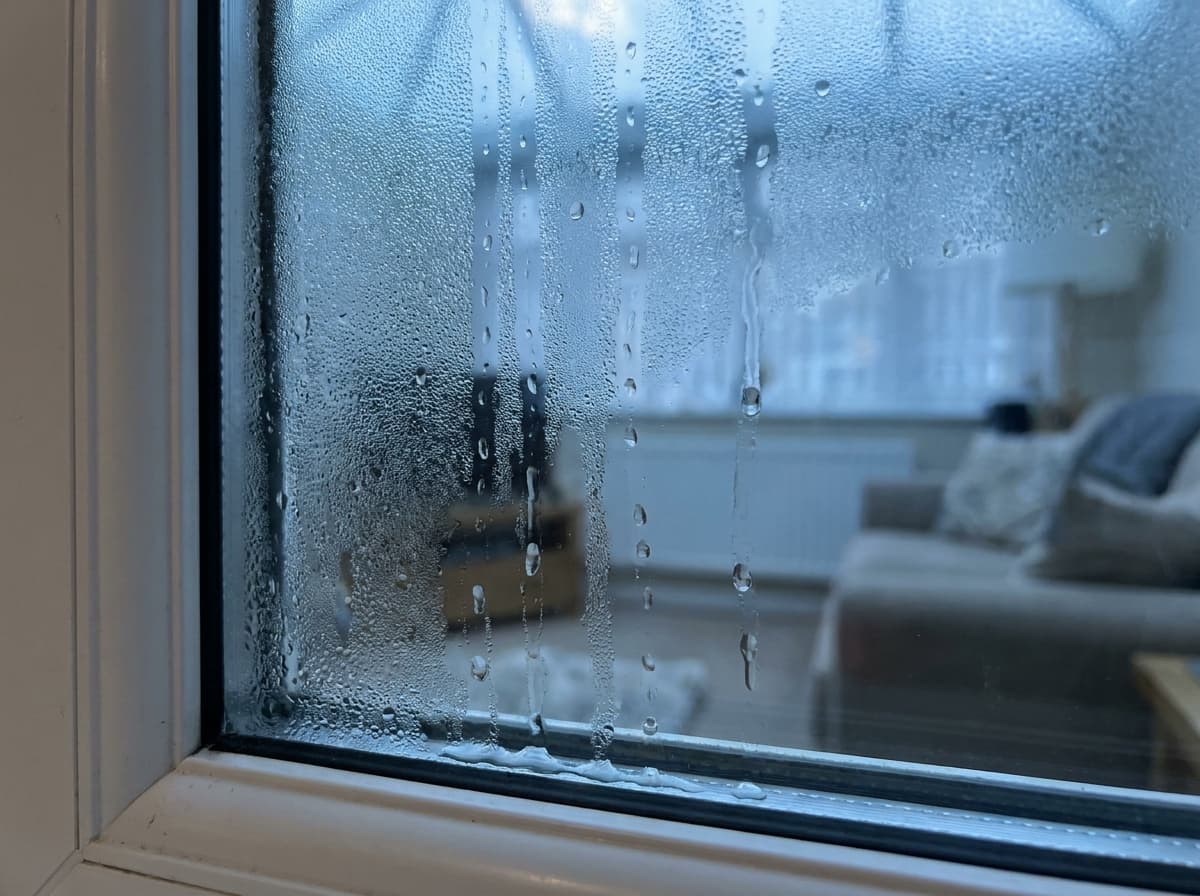
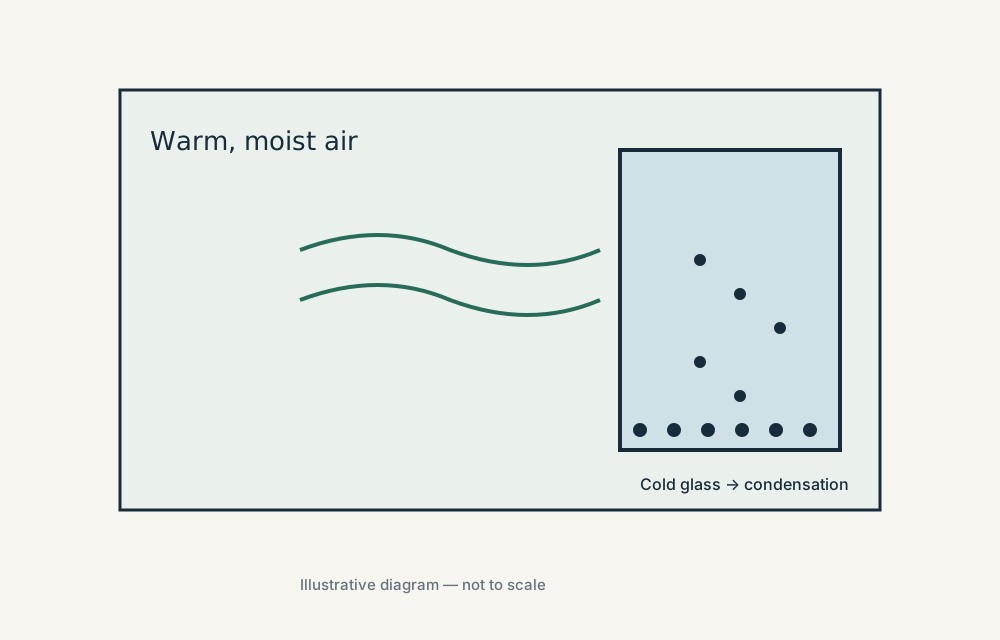
Condensation forms where warm, moist air meets a surface that is below its dew point. Warmer surfaces resist it:
- Low, steady background heat in cold weather tends to work better than short, intense bursts followed by a cold home.
- Leave a gap behind furniture on external walls so air can circulate and the wall stays warmer — wardrobes and sofas pushed flat against cold walls are classic mould spots.
- Where cold walls are a persistent problem, insulation can raise the surface temperature over the long term.
You can see how surface temperature and humidity interact with our Dew Point Calculator.
Keep an eye on the pinch points
Some spots reward a little extra attention:
| Location | Why it is at risk | Simple step |
|---|---|---|
| Behind furniture on external walls | Cold, stagnant air | Pull furniture a few centimetres off the wall |
| Window reveals and sealant | Cold surfaces, trapped moisture | Wipe morning condensation; ventilate |
| Bathrooms | High moisture, often cold | Extractor fan; door closed; window after use |
| Kitchens | Cooking and washing moisture | Cover pans; extractor; ventilate |
| North-facing / little-used rooms | Cold, under-heated, under-ventilated | Gentle background heat; air regularly |
Measure, do not guess
Relative humidity is a useful early-warning sign. A simple hygrometer, or our Humidity Tracker, lets you see whether your changes are actually bringing the moisture down. Persistently high indoor humidity in cold weather is a strong hint that ventilation or heating needs attention before mould appears.
Tip
Prevention is cumulative. No single step fixes everything, but combining modest moisture control, regular ventilation and steady warmth is usually enough to keep ordinary condensation mould away — without major works.
If mould has already appeared, deal with it first using our guide on how to remove mould, then use these steps to keep it from coming back.
Try a related tool
Frequently asked questions
There is no single trick — the most effective approach combines three things: reducing the moisture you produce indoors, ventilating so moist air leaves the home, and keeping surfaces warm enough that condensation does not form. Together these remove the damp conditions mould needs.
DampSense Editorial Team
Research & editorial
Our editorial team researches UK building-moisture topics using government guidance, public-health sources and established building-science references. We write to help homeowners and tenants make informed decisions, and we flag where professional assessment is needed.
Credentials & limitations: Research-led editorial team. We are not chartered surveyors; our guides are general information, not a professional building survey.