Damp
Understanding Damp in Victorian and Older Houses
Older solid-wall houses manage moisture differently from modern homes. Understanding how they are designed to breathe is key to avoiding well-meant but harmful 'fixes'.
In short
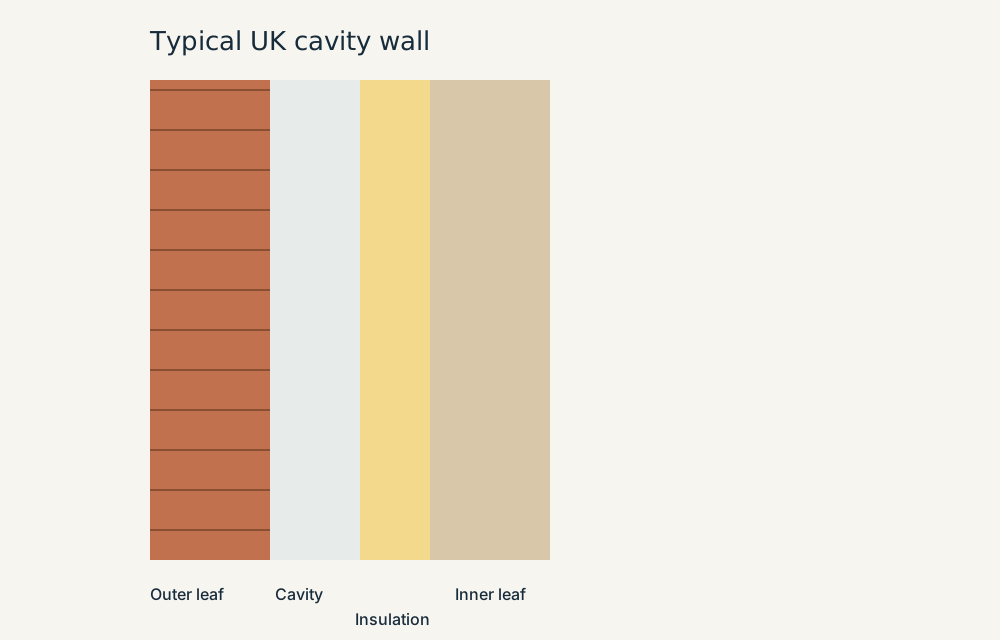
Older and Victorian houses were typically built with solid (not cavity) walls and breathable materials such as lime mortar and lime plaster. They are designed to absorb and release moisture. Problems often arise when modern, impermeable materials (cement render, gypsum plaster, plastic paints) trap moisture that the wall was designed to release.
Key takeaways
- Many pre-1920s homes have solid walls and breathable lime-based materials.
- Trapping moisture with impermeable modern materials can worsen damp.
- Blocked airbricks and raised ground levels are common, fixable causes.
- Specialist advice for period properties is worth seeking.
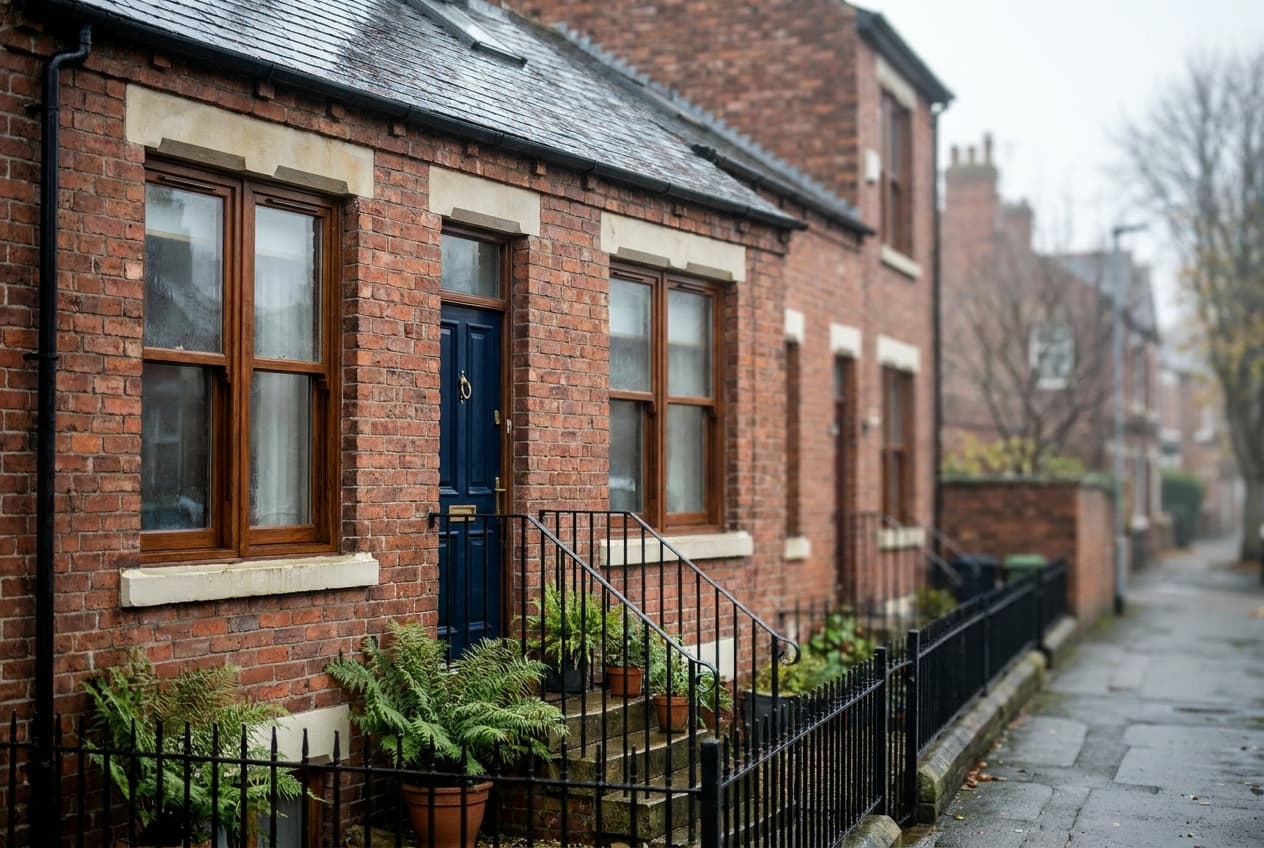
Houses built before roughly the 1920s were usually constructed with solid walls and breathable materials — lime mortar, lime plaster and permeable paints. These buildings are designed to let small amounts of moisture move in and out rather than seal it out completely. Treating them like a modern cavity-walled house is a common and costly mistake.
How older houses manage moisture
A solid lime-built wall can absorb moisture during wet weather and release it again when conditions dry. This "breathing" keeps the wall in balance. Problems tend to appear when that balance is disrupted.
Common causes of damp in older homes
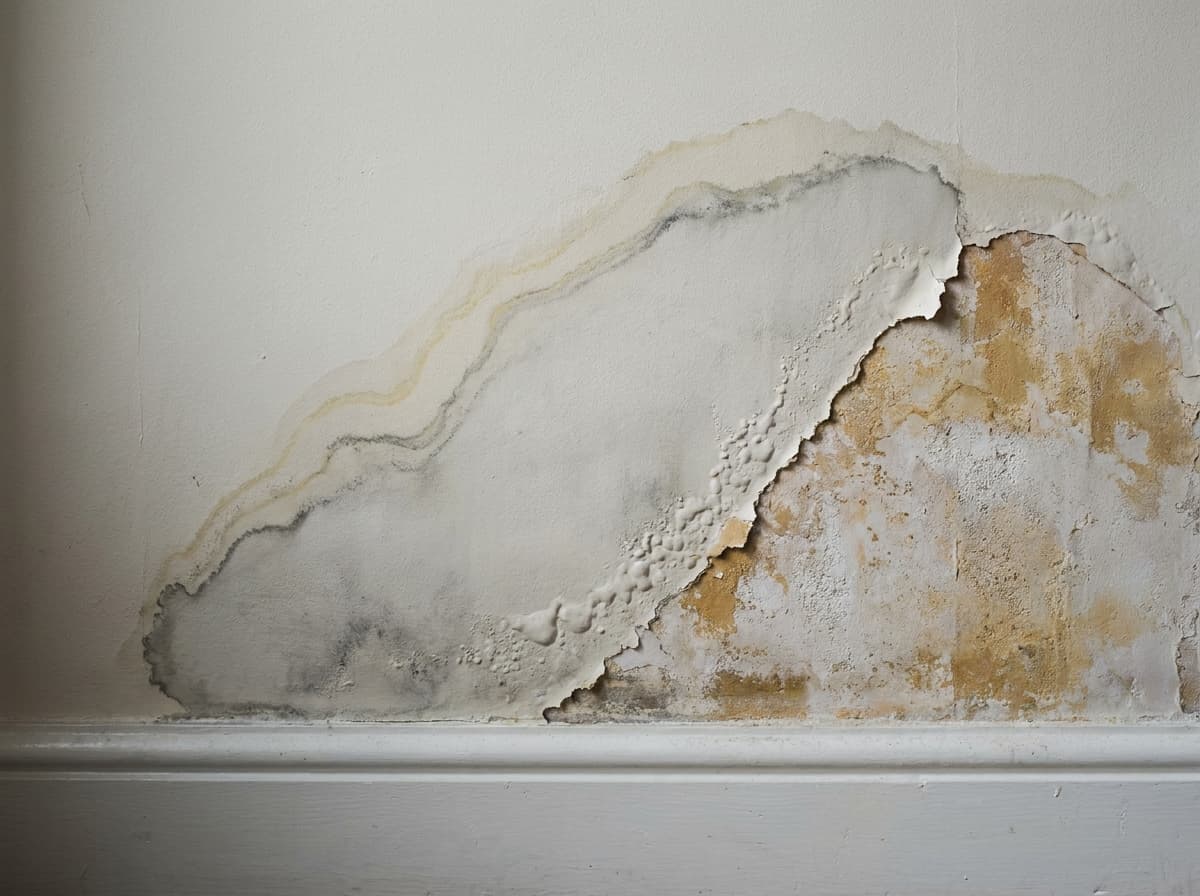
- Impermeable finishes. Cement render, gypsum plaster and modern plastic (vinyl) paints can trap moisture inside a breathable wall, causing it to build up and appear as damp internally.
- Raised external ground levels. Patios, paths and flower beds built up above the internal floor or a DPC can let moisture bridge into the wall.
- Blocked or missing airbricks. These ventilate suspended timber floors; blocking them encourages damp and rot.
- Failed or absent DPC. Some older homes never had one, or it has been bridged.
- Poor rainwater goods. Victorian properties often have ornate but ageing gutters and downpipes.
Important
Injecting a chemical DPC and replastering with dense cement-based plaster is sometimes sold as a cure-all for older homes. In a breathable solid-wall building this can trap moisture and move the problem elsewhere. Seek advice from someone experienced with period properties — organisations such as Historic England publish guidance on breathable repair.
A gentler approach
For period homes, the first steps are usually about removing barriers to breathing and drainage: clearing airbricks, lowering raised ground levels, repairing gutters, and — where plaster must be replaced — using breathable lime-based materials rather than cement. These are often cheaper and less disruptive than aggressive chemical treatment.
Try a related tool
Frequently asked questions
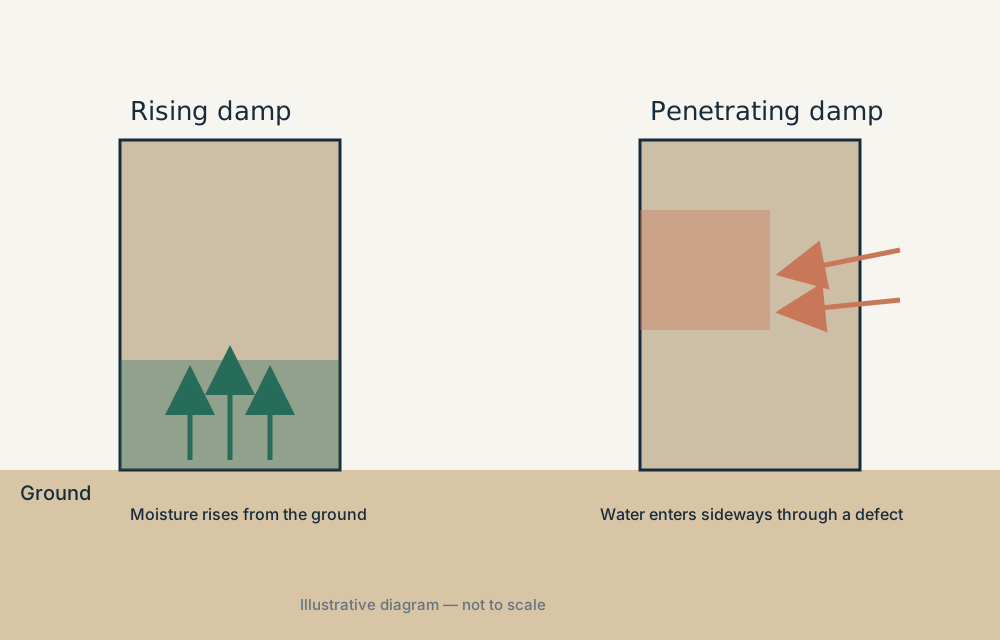
No. Many Victorian houses are wrongly diagnosed with rising damp when the real issue is a bridged DPC, raised ground levels, impermeable finishes or condensation. Investigate the specific cause before committing to injection treatment.
Sources
- Historic England: Energy Efficiency and Older Buildings (guidance on moisture and breathability) · England · accessed 27 October 2026
DampSense Editorial Team
Research & editorial
Our editorial team researches UK building-moisture topics using government guidance, public-health sources and established building-science references. We write to help homeowners and tenants make informed decisions, and we flag where professional assessment is needed.
Credentials & limitations: Research-led editorial team. We are not chartered surveyors; our guides are general information, not a professional building survey.